
By: Shatha Kalel
China’s announcement of a record trade surplus exceeding $1 trillion in 2025 highlights a central reality of today’s global economy: trade wars and tariffs have not weakened China’s export machine as much as many expected. Instead, China has adapted, diversified, and strengthened its position within global supply chains.
Structural Strengths Behind China’s Trade Surplus
China’s strong performance is rooted in structural economic advantages rather than short-term policy choices. Its manufacturing ecosystem remains unmatched in scale, efficiency, and integration. Chinese firms can produce a wide range of goods at competitive prices, from consumer electronics to industrial machinery, while maintaining reliable delivery times.
The shift toward higher-value exports has also been decisive. Growth in green technology, electric vehicles, robotics, and artificial intelligence-related products has reduced China’s reliance on low-cost manufacturing alone. These sectors align with global demand trends, particularly as countries invest in clean energy and automation.
Diversification Away From the US Market
While trade with the United States weakened under renewed tariffs, China successfully redirected exports toward Southeast Asia, Africa, Latin America, and parts of Europe. This geographic diversification has reduced China’s exposure to US trade policy and demonstrated that the US is no longer China’s dominant export destination.
This adjustment reflects a strategic reality: China’s trade model is now global rather than bilateral. As long as global demand remains strong, pressure from any single market has limited impact.
Domestic Weakness and Export Dependence
Paradoxically, China’s weak domestic economy has reinforced its export strength. A prolonged property crisis, high local government debt, and cautious consumer spending have reduced imports and investment at home. With limited domestic absorption, firms have focused more aggressively on foreign markets.
A relatively weak yuan, combined with inflation in Western economies, has made Chinese exports more price-competitive, further boosting overseas sales.
Global Impact: Benefits and Tensions
Globally, China’s export strength has mixed effects. On one hand, affordable Chinese goods help contain inflation in importing countries and support supply chain stability. On the other hand, many economies are concerned about market flooding, where low-priced Chinese products undercut domestic producers.
These tensions are most visible in industries such as electric vehicles, steel, solar panels, and consumer electronics, where governments face pressure to protect local jobs and industries.
Impact on the US Economy
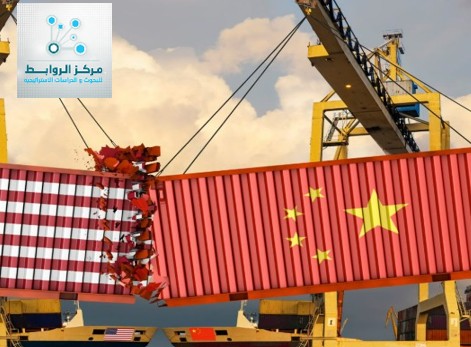
For the United States, China’s trade surplus underscores the limits of tariffs as a long-term strategy. While tariffs reduced direct Chinese exports to the US, they did not reduce China’s global competitiveness. Instead, US consumers continue to face higher prices, while American firms encounter stronger competition in third-country markets.
The result is a strategic dilemma: tariffs can slow bilateral trade but cannot easily dismantle China’s position in global production networks.
A Mixed Blessing for China
For Beijing, the record surplus is both a success and a warning. Strong exports support employment and growth, but rising surpluses increase the risk of trade retaliation, regulatory scrutiny, and geopolitical tension. As global dependence on Chinese goods deepens, resistance from trading partners is also likely to grow.
Conclusion
China’s economic strength in 2025 reflects adaptation rather than insulation. By diversifying markets, upgrading exports, and leveraging global demand, China has weathered tariff pressures and reinforced its global role. The challenge ahead is managing the political and economic consequences of that success, both for China and for the global economic order.
Economic Studies Unit – North America Office
Center for Linkage Studies and Strategic Research