
By: Shatha Kalel
The global economy is entering a period of heightened uncertainty, driven by geopolitical tensions, shifting energy markets, and structural economic challenges. Among the most influential factors shaping this outlook is the volatility of oil prices, which continues to play a central role in determining inflation, growth trajectories, and global financial stability. Understanding the dynamics of oil markets and their future implications is essential for anticipating broader economic trends.
Oil Prices as a Driver of Economic Stability
Oil remains a critical input in global production and transportation systems. As a result, fluctuations in oil prices have direct and indirect effects on nearly all sectors of the economy. When oil prices rise sharply, production and transportation costs increase, leading to higher consumer prices and inflationary pressure. Conversely, declining oil prices may ease inflation but can signal weakening global demand.
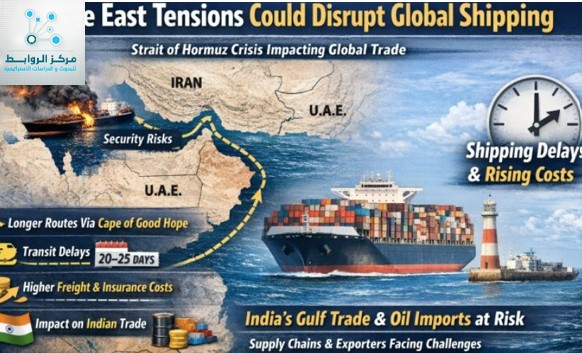
Recent geopolitical developments, particularly tensions in the Middle East and disruptions in key shipping routes, have intensified concerns about supply constraints. Strategic chokepoints such as the Strait of Hormuz are vital for global oil transport, and any disruption can lead to immediate price spikes. These supply-side risks contribute to market volatility and increase uncertainty for policymakers and investors.
Inflation, Interest Rates, and Economic Growth
The relationship between oil prices and inflation remains a key concern for central banks. Elevated energy costs tend to push inflation above target levels, prompting central banks to maintain higher interest rates for longer periods. This, in turn, can slow economic growth by increasing borrowing costs for businesses and households.
Looking ahead, if oil prices remain elevated or volatile, central banks may face a difficult balancing act between controlling inflation and supporting economic growth. Prolonged high interest rates could weaken investment, reduce consumer spending, and increase the risk of economic slowdown or recession in some regions.
Global Divergence and Uneven Impact
The impact of oil price changes is not uniform across countries. Oil-exporting nations benefit from higher prices through increased revenues and improved fiscal balances. In contrast, oil-importing countries face higher energy costs, trade deficits, and inflationary pressures.
Emerging economies are particularly vulnerable, as they often lack the financial flexibility to absorb price shocks. Rising oil costs can strain government budgets, increase debt burdens, and reduce economic resilience. In contrast, advanced economies may better manage these shocks but still face slower growth and persistent inflation challenges.
Energy Transition and Long-Term Outlook
In the long term, oil price volatility is accelerating the global transition toward renewable energy. Governments and investors are increasingly prioritizing energy diversification, sustainability, and reduced dependence on fossil fuels. However, this transition is gradual and uneven, meaning oil will continue to play a significant role in the global economy for decades.
Future oil price trends will likely be shaped by a combination of geopolitical stability, technological innovation, and policy decisions related to climate change. While renewable energy investments may reduce long-term demand for oil, short-term supply constraints and geopolitical risks will continue to drive price fluctuations.
Future Expectations and Economic Implications
Looking forward, most forecasts suggest that oil prices will remain volatile rather than stabilize at a predictable level. This volatility will contribute to ongoing uncertainty in global markets, influencing investment decisions, inflation expectations, and economic policy.
In a baseline scenario, moderate oil prices could support stable economic growth while allowing inflation to gradually decline. However, in a risk scenario involving supply disruptions or escalating geopolitical conflicts, sharp increases in oil prices could trigger renewed inflation, tighter monetary policy, and slower global growth.
Conclusion
Oil prices will remain a central factor shaping the future of the global economy. Their influence extends beyond energy markets, affecting inflation, interest rates, and economic stability worldwide. As the world navigates geopolitical uncertainty and transitions toward cleaner energy systems, managing oil price volatility will be crucial for ensuring sustainable and inclusive economic growth.
Economic Studies Unit – North America Office
Center for Linkage Studies and Strategic Research