
BY : Shatha kalel
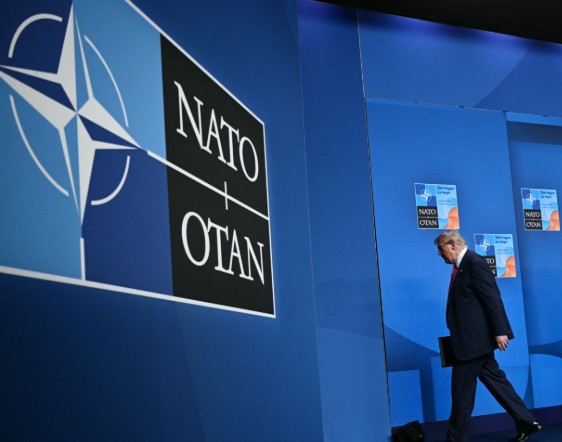
It is easy to view NATO summits as political and military gatherings aimed at strengthening collective security. However, this perspective may overlook another dimension that is equally significant: the economic one. Behind the summit declarations and leaders’ speeches, financial markets react, multi-billion-dollar contracts are signed, and public spending priorities across Western countries are being reshaped.
What stands out in the latest summit is not only the discussion of security threats, but also the inclusion of the Defence Industry Forum as an official part of the summit agenda, the announcement of major arms deals, and the continued pressure to raise defense spending to unprecedented levels. These developments are not merely military decisions; they signal a broad economic transformation that could shape global markets for the next decade or more.
From an economic perspective, higher defense spending means that hundreds of billions of dollars will flow into companies producing military aircraft, missiles, air defense systems, cybersecurity technologies, and artificial intelligence applications for defense. At the same time, an important question arises: Who will ultimately pay for this transformation? In many European countries, defense budgets are financed through public spending, potentially placing increasing pressure on sectors such as healthcare, education, housing, and infrastructure.
Similarly, U.S. pressure on its European allies should not be viewed solely through a security lens. The United States is home to the world’s largest defense manufacturers, and any increase in European arms purchases is likely to translate into higher revenues for these companies, stronger support for the U.S. economy, and the creation of new jobs across the American defense sector.
At the same time, Europe is seeking to capitalize on this moment by strengthening its own defense industrial base and reducing dependence on external suppliers. This strategy could trigger an investment race between American and European defense companies competing for the next generation of military contracts.
The economic effects of this shift extend well beyond the defense industry. Geopolitical tensions influence energy markets, commodity prices, and global financial markets. Every escalation increases uncertainty in oil and natural gas prices, affects investor confidence, and drives capital toward defense and security companies, while reducing investment appetite in some civilian industries.
The most controversial question, however, remains: Has security itself become an economic industry? When geopolitical tensions evolve into long-term production contracts and investment opportunities, wars and security crises begin to function as powerful drivers of economic activity, regardless of whether that was the original political objective.
This does not imply that current security threats are imaginary or that increased defense spending is unjustified given today’s international environment. Rather, it raises an important question about balancing national security with long-term economic development, and about protecting both states and their economies from the growing burden of military expenditure.
Ultimately, the current NATO summit may be remembered not only for its political declarations, but also as a turning point toward what could be described as the “Economy of Rearmament.” In this emerging era, defense industries may become one of the principal engines of economic growth and investment across Western economies, bringing significant business opportunities while also creating major fiscal and social challenges.
Economic Studies Unit – North America Office
Center for Linkage Studies and Strategic Research