
By: Shatha Kalel
Economic Analysis: Why the U.S. Dollar Strengthens During Middle East Tensions
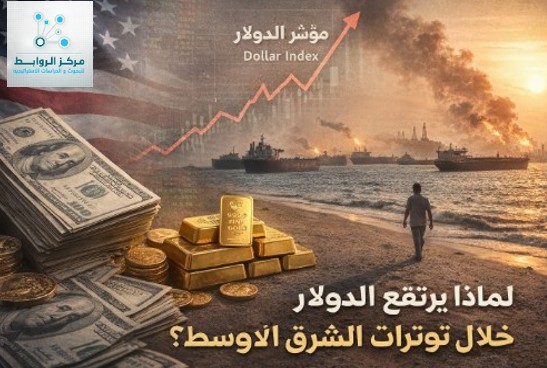
The recent escalation of geopolitical tensions in the Middle East has triggered concerns about global economic instability and potential recession. However, one notable outcome of such crises is the strengthening of the U.S. dollar. Despite the broader economic uncertainty caused by disruptions in global energy supply, the U.S. dollar has appreciated by approximately 2.5 percent according to the Dollar Index. This seemingly paradoxical trend reflects deeper structural features of the global financial system.
Safe-Haven Demand and Global Capital Flows
The first explanation lies in the dollar’s status as the world’s primary safe-haven currency. In periods of geopolitical instability, investors typically reduce exposure to risky assets such as equities or emerging-market currencies and shift toward highly liquid and stable assets. The U.S. financial system offers deep capital markets, strong institutional credibility, and unmatched liquidity. As a result, global investors often move capital into U.S. Treasury bonds and dollar-denominated assets during crises. This capital flight toward safety increases demand for the dollar, strengthening its value relative to other currencies.
Energy Pricing and Structural Dollar Demand
A second structural factor supporting the dollar is its dominant role in global commodity pricing, particularly in the energy market. Oil and gas transactions are largely denominated in U.S. dollars. When geopolitical conflicts disrupt energy supply chains, oil prices tend to rise. Higher oil prices increase the volume of global transactions conducted in dollars, as energy-importing countries must purchase more dollars to pay for their imports. This mechanism generates persistent demand for the currency, particularly from energy-dependent economies in Europe and Asia.
The Gold Paradox: Why Gold Did Not Rise
Traditionally, geopolitical crises also lead to rising gold prices because gold is considered a safe-haven asset. However, the current situation has produced a different outcome. While gold initially rose following the outbreak of conflict, it later declined due to the simultaneous rise of the U.S. dollar and higher U.S. Treasury yields. When interest rates rise, investors tend to prefer interest-bearing assets such as government bonds over gold, which does not generate income. As a result, the opportunity cost of holding gold increases, limiting its appeal during periods of monetary tightening.
Inflation Expectations and Interest Rate Dynamics
Another key economic factor reinforcing the dollar’s strength is the relationship between energy prices, inflation, and interest rates. Rising oil prices increase production and transportation costs globally, which can contribute to inflationary pressures. Central banks may respond by maintaining higher interest rates for longer periods to control inflation. If the U.S. Federal Reserve delays rate cuts or maintains higher yields relative to other economies, U.S. financial assets become more attractive to international investors, further boosting the dollar.
U.S. Energy Independence and Trade Advantages
The United States also benefits from a relatively strong energy position compared with many other major economies. As one of the world’s largest oil producers and a net exporter of refined petroleum products and natural gas, the U.S. economy is less vulnerable to disruptions in Middle Eastern energy supplies than Europe or Asia. This relative energy independence improves the U.S. trade balance and reduces macroeconomic vulnerability during global energy shocks. Consequently, investors perceive the U.S. economy as more resilient, reinforcing demand for dollar assets.
Structural Contradictions in U.S. Currency Policy
Despite the dollar’s strength, there are political and economic tensions surrounding currency policy. Some policymakers favor a weaker dollar to boost exports and manufacturing competitiveness. However, the structural dominance of the U.S. financial system and global demand for dollar assets often pushes the currency upward during crises regardless of policy preferences. Moreover, growing U.S. fiscal deficits and rising military expenditures could eventually weaken investor confidence if public debt continues to expand significantly.
Conclusion
In economic terms, the strengthening of the U.S. dollar during geopolitical crises reflects the structural architecture of the global financial system. The dollar’s role as a safe-haven asset, its dominance in global energy pricing, higher interest rate expectations, and the relative energy security of the United States all contribute to increased global demand for the currency. However, these advantages also highlight a broader paradox: while global instability strengthens the dollar in the short term, persistent geopolitical conflict and rising fiscal pressures could eventually challenge the long-term sustainability of U.S. monetary dominance.
Economic Studies Unit – North America Office
Center for Linkage Studies and Strategic Research