
BY Shatha kalel
When oil prices surge above $111 per barrel in just days, markets are no longer reacting to headlines alone. They are reacting to fear, supply risk, and the possibility that the global economy is entering a new era of energy instability. The latest escalation between Iran, the United States, and Israel is not simply a geopolitical crisis. It is becoming a global economic shock capable of reshaping inflation, interest rates, trade flows, and financial markets worldwide.
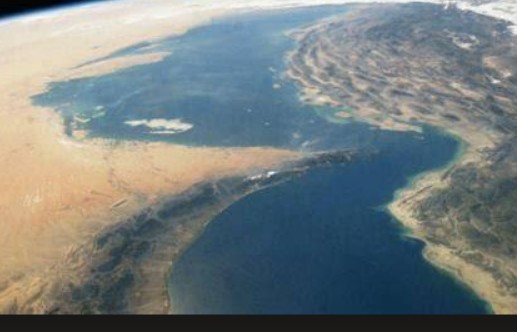
The most dangerous element in this crisis is the Strait of Hormuz. Nearly 20% of the world’s oil and liquefied natural gas passes through this narrow maritime corridor every day. When Iran effectively closed or disrupted this route in retaliation for military strikes, markets immediately understood the message: global energy supply can be weaponized.
That is why oil prices reacted so aggressively. Energy markets do not wait for shortages to happen. They price in the fear of future shortages before they occur. Traders know that even partial disruption in Hormuz could remove millions of barrels per day from global markets, pushing supply below demand almost instantly. In modern economies, oil is not just fuel. It powers transportation, manufacturing, shipping, aviation, agriculture, and electricity generation. When oil rises sharply, the cost of almost everything begins to rise with it.
This is why central banks are becoming increasingly nervous. Inflation had already remained stubbornly high in many economies before the conflict intensified. Now higher energy prices threaten to restart a second inflation wave just as countries were trying to stabilize prices after years of economic turbulence.
The rise in US Treasury yields above 4.6% reflects this fear. Investors increasingly believe central banks may be forced to keep interest rates high or even raise them further to contain inflation. Higher oil prices create higher transportation costs, higher industrial costs, and more expensive consumer goods. That inflation eventually spreads across the economy.
The consequence is dangerous: economies could face both slowing growth and rising inflation at the same time, a condition economists describe as stagflation. This is one of the most difficult economic environments to manage because governments and central banks lose flexibility. If they raise interest rates aggressively, they risk recession. If they do not, inflation may spiral further.
The pressure is already visible in global bond markets. Government borrowing costs are climbing in the United States, Europe, and Japan simultaneously. Japan’s 30-year bond yield reaching record highs is especially significant because Japan spent decades fighting deflation and ultra-low growth. Rising yields there suggest investors are now pricing in long-term global inflation risks rather than temporary war volatility.
Airlines are among the first industries to feel the shock. Fuel is one of the largest operational costs for carriers, and oil spikes immediately threaten profitability. Ryanair’s warning about uncertainty surrounding Hormuz reflects a broader problem across aviation, tourism, shipping, and logistics sectors. Businesses cannot plan effectively when energy prices become unpredictable.
But the deeper issue is psychological. Markets now fear that the conflict may expand regionally. Iranian attacks involving neighboring states, drone incidents near critical infrastructure in the UAE, and growing US military discussions create the perception that the Middle East energy system itself may become unstable. Once markets begin pricing geopolitical uncertainty structurally rather than temporarily, volatility becomes much harder to control.
Donald Trump’s warning that “the clock is ticking” added another layer of instability. Financial markets interpret aggressive political rhetoric as a sign that diplomacy may be failing. Every statement suggesting military escalation increases the probability of supply disruption, sanctions expansion, or direct attacks on energy infrastructure.
This is why oil is no longer reacting only to physical shortages. It is reacting to uncertainty itself.
The global economy now stands at a dangerous crossroads. If negotiations fail and the Strait of Hormuz remains disrupted, oil could climb significantly higher, potentially triggering a broader inflation shock similar to historical energy crises. If diplomacy succeeds and shipping routes reopen, markets may stabilize quickly. But until clarity emerges, investors, governments, and businesses are preparing for what some economists are already calling a “summer of pain.”
In the end, the real warning behind $111 oil is not just about energy. It is about how fragile the global economic system becomes when geopolitics, inflation, debt markets, and military escalation collide at the same time.
Economic Studies Unit – North America Office
Center for Linkage Studies and Strategic Research