
BY: Shatha Kalel
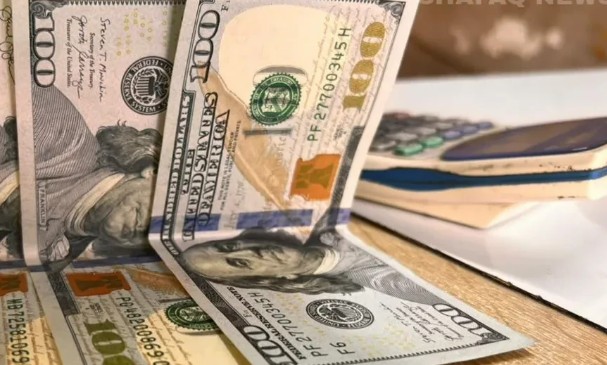
The slight rise of the US dollar in Baghdad’s markets and its marginal decline in Erbil may appear to be a routine daily movement in exchange rates. However, for Iraq, where the economy remains heavily dependent on imports and oil revenues, even small fluctuations in the dollar can carry broader economic implications. The exchange rate is not merely a financial indicator. It directly affects household purchasing power, business costs, inflation levels, and public confidence in economic stability.
A SWOT analysis (Strengths, Weaknesses, Opportunities, and Threats) provides a useful framework for understanding the current situation and identifying policies that can protect Iraqi citizens from future currency volatility.
Strengths
Iraq’s greatest economic strength remains its substantial oil wealth. Oil exports generate the overwhelming majority of government revenues and provide a steady flow of US dollars into the economy. These revenues allow the Central Bank of Iraq to maintain foreign currency reserves and intervene in the market when necessary to stabilize the exchange rate.
Another important strength is the government’s ability to influence liquidity through monetary policy and currency auction mechanisms. Compared with many developing economies facing severe currency crises, Iraq still possesses significant financial resources that can be used to support market stability.
In addition, the Iraqi banking sector has gradually expanded digital payment systems and electronic financial services. While progress remains uneven, these developments create a foundation for improving transparency and reducing pressure on the cash-based economy.
Weaknesses
Despite its oil wealth, Iraq’s economy remains highly vulnerable due to its dependence on imports. A large proportion of food products, consumer goods, medicines, machinery, and industrial materials are purchased from abroad and paid for in US dollars.
This dependence means that any increase in the dollar’s value can quickly translate into higher prices for consumers. Many Iraqi families already face financial pressure from rising living costs, making them particularly sensitive to exchange rate movements.
Another weakness is the limited diversification of the economy. Agriculture, manufacturing, tourism, and technology sectors have not yet developed sufficiently to reduce reliance on oil revenues. As a result, fluctuations in global oil markets can quickly affect government finances and currency stability.
Furthermore, a significant portion of economic activity still occurs outside the formal banking system, limiting financial transparency and reducing the effectiveness of monetary policy.
Opportunities
Current exchange rate pressures also present opportunities for long-term reform.
The government can accelerate economic diversification by investing in agriculture, manufacturing, renewable energy, logistics, and digital industries. Expanding domestic production would reduce reliance on imports and lower demand for foreign currency.
There is also an opportunity to strengthen electronic payment systems and reduce cash transactions. A more digital economy can improve tax collection, combat corruption, reduce money laundering risks, and increase confidence in financial institutions.
Iraq can also attract greater foreign and domestic investment by simplifying regulations, improving infrastructure, and creating a more stable business environment. Increased investment would generate employment opportunities and strengthen non-oil sources of economic growth.
Threats
The most immediate threat is inflation. If the dollar continues to rise significantly, import costs will increase, pushing up prices for essential goods and reducing household purchasing power.
Regional geopolitical tensions also represent a major risk. Any disruption to oil exports, international trade routes, or investor confidence could place additional pressure on the Iraqi dinar and financial markets.
Another threat is public uncertainty. Expectations of future currency depreciation can encourage speculative demand for dollars, which may further weaken the dinar and create self-reinforcing market pressures.
Finally, a prolonged dependence on oil leaves Iraq vulnerable to global energy market fluctuations. A significant decline in oil prices would reduce government revenues and limit the state’s ability to defend exchange rate stability.
Protecting Iraqi Citizens
To protect Iraqi citizens, policymakers should focus on maintaining exchange rate stability while simultaneously addressing structural weaknesses in the economy. Strengthening domestic production, expanding digital financial systems, improving market oversight, and encouraging investment can reduce dependence on imported goods and foreign currency.
In the short term, the Central Bank should continue monitoring currency markets closely and ensure sufficient dollar liquidity for legitimate trade activities. In the long term, however, Iraq’s economic security will depend less on daily exchange rate management and more on building a diversified, productive, and resilient economy.
The recent movement of the dollar is not yet a crisis. It is, however, a reminder that sustainable economic stability requires more than oil revenues alone. By leveraging its strengths, addressing its weaknesses, seizing reform opportunities, and preparing for potential threats, Iraq can better protect its citizens from future economic shocks and build a stronger foundation for long-term prosperity.
Economic Studies Unit – North America Office
Center for Linkage Studies and Strategic Research