
BY:shatha Kalel
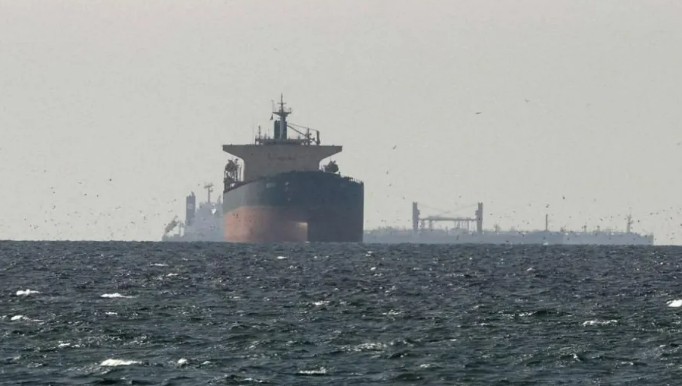
Recent diplomatic signals between the United States and Iran suggest that both sides recognize the enormous economic cost of continued instability in the Strait of Hormuz. Regardless of the political disagreements, the global economy depends on uninterrupted energy shipments through this strategic waterway, making maritime security a shared economic interest.
If negotiations continue and commercial shipping is protected, the immediate economic impact could include:
Lower geopolitical risk premiums in global oil markets.
Reduced insurance costs for tankers operating in the Gulf.
Greater stability in international energy prices.
Improved investor confidence across Middle Eastern financial markets.
Stronger economic growth prospects for oil-importing countries due to lower transportation costs.
However, the situation remains fragile. Any renewed military confrontation or attacks on commercial vessels could rapidly reverse these gains by increasing oil prices, disrupting supply chains, and creating volatility in financial markets.
Looking Ahead: Possible Future Scenarios
Scenario 1: Diplomatic Stabilization
If the US, Iran, Oman, and regional states establish a durable framework for securing navigation, the Strait of Hormuz could gradually become more predictable for global trade. Energy markets would likely stabilize, shipping companies could reduce insurance premiums, and Gulf economies may attract additional foreign investment.
Scenario 2: Limited Strategic Competition
Even if political tensions persist, both sides may choose to avoid disrupting commercial shipping because doing so would impose heavy economic costs on all parties. In this scenario, markets could experience periodic volatility while avoiding a prolonged energy crisis.
Scenario 3: Renewed Escalation
If negotiations collapse or military incidents increase, the Strait of Hormuz could once again become a major source of geopolitical risk. Oil prices could rise sharply, inflationary pressures would likely increase worldwide, and governments may accelerate efforts to diversify energy routes away from the Gulf.
A Longer-Term Economic Perspective
One of the most significant long-term questions is whether the Gulf region is entering a new phase of regional economic governance. Reports suggesting discussions about future management of navigation and maritime services—if they lead to formal agreements—could reshape shipping logistics, port investments, and regional trade cooperation. At present, however, these reports remain uncertain and should be viewed cautiously until officially confirmed.
Conclusion
From an economic perspective, the central issue is not simply whether the US and Iran reach a political understanding, but whether they can create a stable environment that guarantees freedom of commercial navigation. The future of the Strait of Hormuz will continue to influence global energy prices, inflation, investment flows, and international trade. For investors and policymakers, diplomatic progress may be more economically significant than military developments, but the outcome remains highly uncertain and will depend on whetherproduce durable and verifiable agreements.
Economic Studies Unit – North America Office
Center for Linkage Studies and Strategic Research