
By: Shatha kalel
From Energy Disruptions to Inflation, Trade Uncertainty, and Future Economic Scenarios
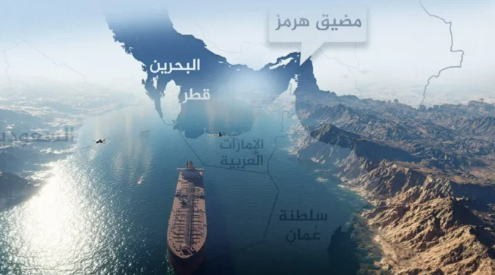
The significance of the Strait of Hormuz is no longer limited to its geographical location or its role in transporting oil. Its stability has become a critical factor influencing the global economy. Disruptions to maritime navigation through this strategic passage, which carries a substantial share of the world’s oil supplies, could trigger a chain of economic consequences extending from energy prices to production costs, transportation expenses, and the prices of goods and services.
From Energy Crisis to Inflation
Disruptions in oil supplies affect the economy through several channels. Rising energy prices increase the costs of operating factories, transporting goods, and delivering services. Businesses may respond by passing some of these additional expenses on to consumers.
Consequently, the economic risk extends beyond higher fuel prices. It includes the possibility that rising energy costs will translate into higher food prices and increased costs for essential goods, ultimately weakening household purchasing power.
Maritime Insurance as a Critical Economic Factor
Security risks in the Strait of Hormuz present an additional challenge to international trade. When maritime insurance premiums increase or insurance coverage becomes unavailable for certain voyages, businesses face higher operating costs and greater difficulties transporting goods.
Some of these economic pressures may persist even after military operations decline, particularly if security risks remain elevated or insurance providers delay restoring their previous coverage conditions.
Economic Sanctions and the Restructuring of Trade Relations
The instruments of economic conflict extend beyond disruptions to maritime navigation. They also include financial and trade sanctions, as well as naval blockades.
The continuation of such measures could restrict access to international markets and financial resources, encouraging businesses to seek alternative trading partners and transportation routes.
However, these alternatives may involve additional costs, making the restructuring of international trade relationships a complex economic process rather than merely a political decision.
Economic Outlook: Three Potential Scenarios
Scenario One: De-escalation and the Reopening of Maritime Routes
If a political agreement restores stability to maritime navigation, shipping and insurance costs could gradually decline, while pressures associated with energy supply risks may ease.
However, the pace of economic recovery would depend largely on how quickly confidence in maritime security is restored.
Scenario Two: Prolonged Instability
If tensions persist without a clear political settlement, global markets may experience recurring fluctuations in energy prices and transportation costs.
Such uncertainty could intensify inflationary pressures and influence investment decisions, particularly in energy-intensive industries.
Scenario Three: Wider Military Escalation
If military operations expand or energy facilities and critical infrastructure sustain significant damage, the risks of supply shortages and rising production costs could increase substantially.
Under this scenario, energy-importing economies could face additional pressures on economic growth, inflation, and overall market stability.
Conclusion
The Strait of Hormuz crisis highlights the deep interconnection between geopolitical security and global economic stability. Risks originating in a single maritime corridor can spread through energy markets, shipping networks, and insurance systems, ultimately affecting multiple sectors of the international economy.
The three scenarios suggest that the future economic consequences of the crisis will not be determined solely by military developments. They will also depend on the restoration of commercial confidence, the stability of maritime transportation, and the ability of global markets to adapt to emerging risks.
Ultimately, the central economic question is whether the current disruptions will remain a temporary shock or become a catalyst for a longer-term transformation of global energy and trade patterns.
Economic Studies Unit – North America Office
Al-Rawabet Center for Research and Strategic Studies