
 By: Shatha Kalel
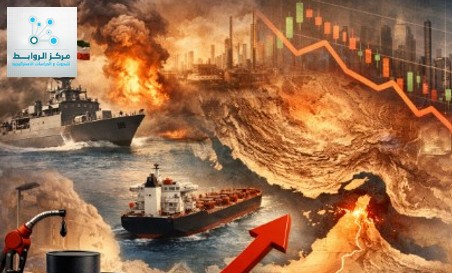
The recent rise in global oil prices is not just a reaction to geopolitical tension but reflects a deeper economic vulnerability tied to energy supply chains. The Strait of Hormuz is one of the most critical chokepoints in the global economy, carrying nearly 20% of the world’s oil supply. Any disruption in this route immediately creates a supply shock, leading to rapid increases in oil prices.
From an economic perspective, this situation represents a classic negative supply shock, where reduced supply leads to higher prices and lower economic output. As oil prices rise toward $96–97 per barrel, production and transportation costs increase globally. This raises inflation, as energy is a key input in almost all sectors, from manufacturing to food distribution. Consequently, consumers face higher prices, and purchasing power declines.
Financial markets are also reacting to uncertainty rather than actual shortages. The volatility seen in stock markets reflects investor concern about prolonged instability. When uncertainty increases, investment slows, and capital shifts toward safer assets, which can weaken economic growth. This explains why markets reversed earlier gains despite the temporary ceasefire.
Moreover, disruptions in shipping flows through the Strait of Hormuz create logistical bottlenecks. With fewer vessels crossing and a backlog forming, global trade efficiency declines. This can lead to delays, higher shipping costs, and further inflationary pressure. If Iran imposes transit fees or restricts passage, it could permanently increase global transportation costs, similar to a structural shift in trade routes.
In the long term, this crisis highlights the fragility of the global energy system. Heavy dependence on a single strategic route increases systemic risk. Countries may respond by diversifying energy sources, investing in renewables, or seeking alternative trade routes. However, such transitions take time and require significant investment.
In conclusion, the current oil price surge is driven not only by conflict but by structural economic factors such as supply constraints, market uncertainty, and logistical disruptions. The situation demonstrates how geopolitical tensions can quickly translate into global economic instability, affecting inflation, trade, and overall economic growth.
Economic Studies Unit – North America Office
Center for Linkage Studies and Strategic Research