
By : Shatha kalel
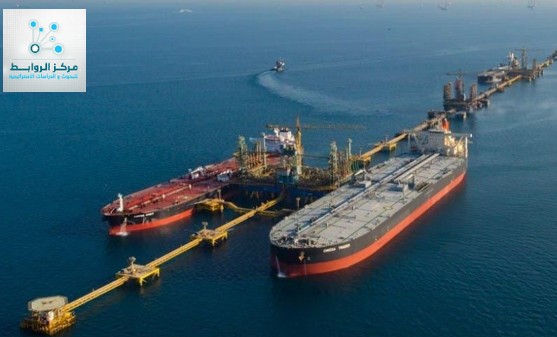
A surface-level reading suggests this is simply an escalation between Washington and Tehran. But a deeper analysis reveals something far more significant. We are witnessing a struggle over control of a vital artery of global energy, through which nearly one-fifth of the world’s oil passes.
Closing the strait or even threatening it does not just disrupt ships. It effectively means:
Repricing energy globally
Redistributing economic power
Testing the resilience of the international system
This explains why countries such as Japan, China, and ASEAN have quickly called for de-escalation. These nations fear not only war, but the collapse of economic stability built over decades.
The Economy: The First Victim, Not Politics
History shows that wars may begin politically, but they are decided economically. In this crisis, the signals are clear:
Oil prices are likely to surge sharply
Shipping and insurance costs will spike
Financial markets will enter a period of volatility
But the most dangerous reality is rarely stated openly:
The world today is weaker than it was in past crises.
Major economies are burdened by high inflation, record debt, and fragile growth. Any energy shock could quickly turn into:
A global recession
A widespread cost-of-living crisis
Social unrest across multiple countries
Military Decisions with Catastrophic Economic Consequences
Washington’s announcement of intercepting ships and clearing mines is not just a military step, but a clear message:
Control of the strait has become a direct strategic objective.
However, this move carries significant risk. Even limited military friction could lead to:
A real disruption in oil flows
A dramatic surge in prices
A loss of confidence in market stability
Here lies the real controversy:
Is the United States seeking to deter Iran, or is it willing to trigger a global economic shock to achieve its goals?
A Divided World and Rising Anxiety
International reactions reveal a clear divide:
Europe warns of long-term economic consequences
China calls for avoiding war
The United Kingdom refuses to be drawn into escalation
The Vatican raises a moral voice against conflict
This divergence reflects a critical truth:
No one wants war, yet everyone is preparing for its consequences.
The Most Dangerous Scenario: Loss of Control
If escalation continues, the greatest danger is not immediate war, but gradual loss of control:
Limited clashes turning into broader conflict
Partial disruption of shipping becoming full closure
Rising prices evolving into a global economic crisis
At that point, the question will no longer be about Iran or the United States, but:
Can the global economy withstand another shock?
Conclusion: A Real Test for the World
What is happening in the Strait of Hormuz is not a passing crisis. It is a test of the global system’s ability to manage conflict without triggering economic collapse.
The ceasefire may fail, negotiations may collapse, but one reality is clear:
The world is standing on the edge of a crisis that may begin in the Gulf and end in every household across the planet.
Economic Studies Unit – North America Office
Center for Linkage Studies and Strategic Research